Inheriting Nature Nurtured by the Mountains and Forests of Japan
Azuma Farm is a farm resort brand dedicated to preserving the natural landscapes nurtured by the mountains and deep forests, safeguarding the distinctive culture and climate rooted in these regions, and carrying that heritage forward for future generations.
“Farm Life” is an intrinsic part of the Azuma Farm experience, embracing a philosophy whereby the natural landscape and the lives of its people thrive in deep harmony. Guests are invited to feel contentment in gentle moments – feeling the dampness of soil beneath their feet, listening to the swaying of trees in the breeze, and gazing into the quiet glow of a fire.
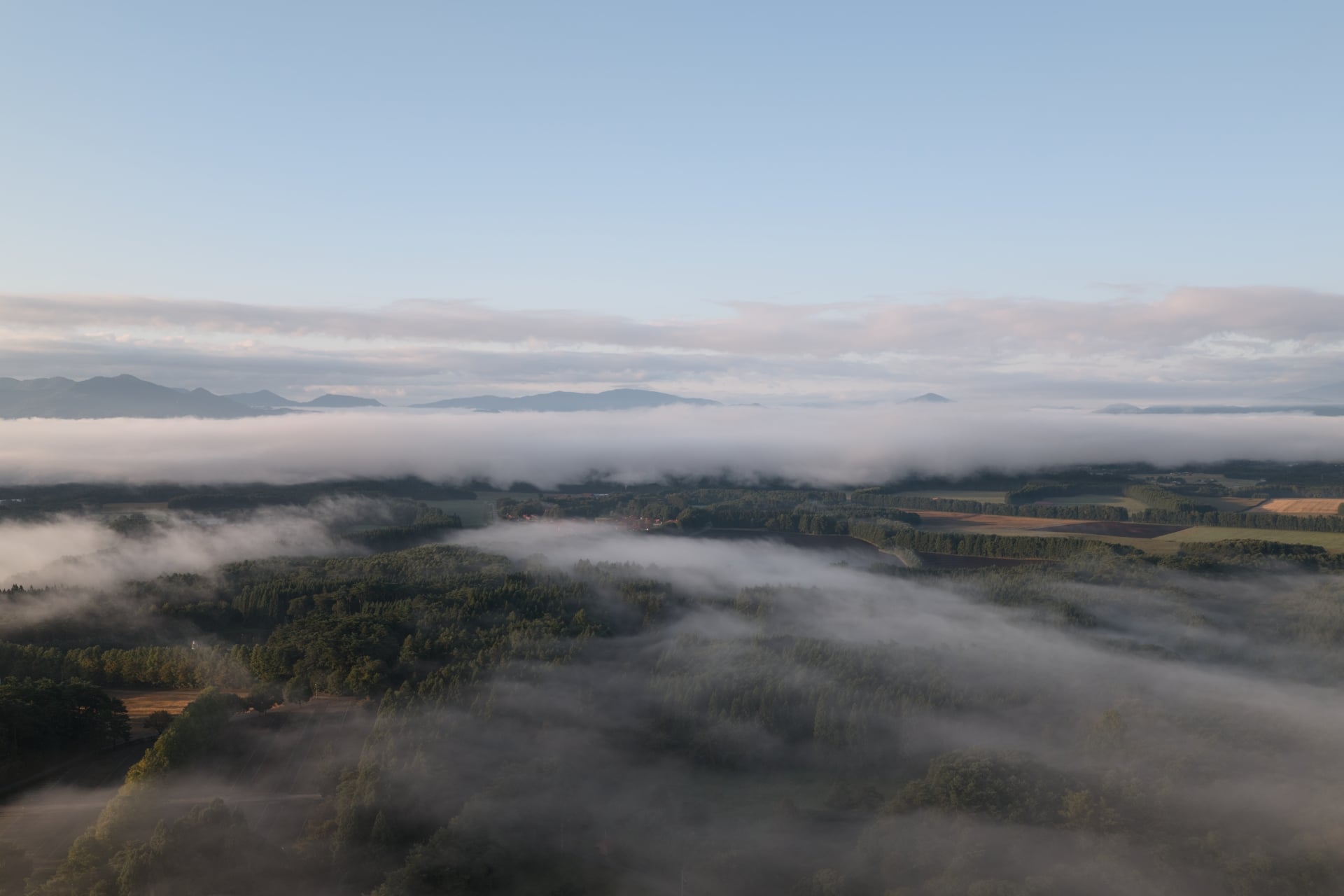
The Landscape of Koiwai Nurtured by the Coexistence of Human Life and Nature
Azuma Farm Koiwai, Azuma Farm’s first destination, is set in Koiwai, Iwate Prefecture. Once a barren wilderness covered in volcanic ash, the surrounding landscape has, over the course of 130 years, regenerated into a diverse, blooming forest. Conceived to celebrate the peaceful human co-existence with nature – rather than its exploitation – this landscape now spans over 2,000 hectares.
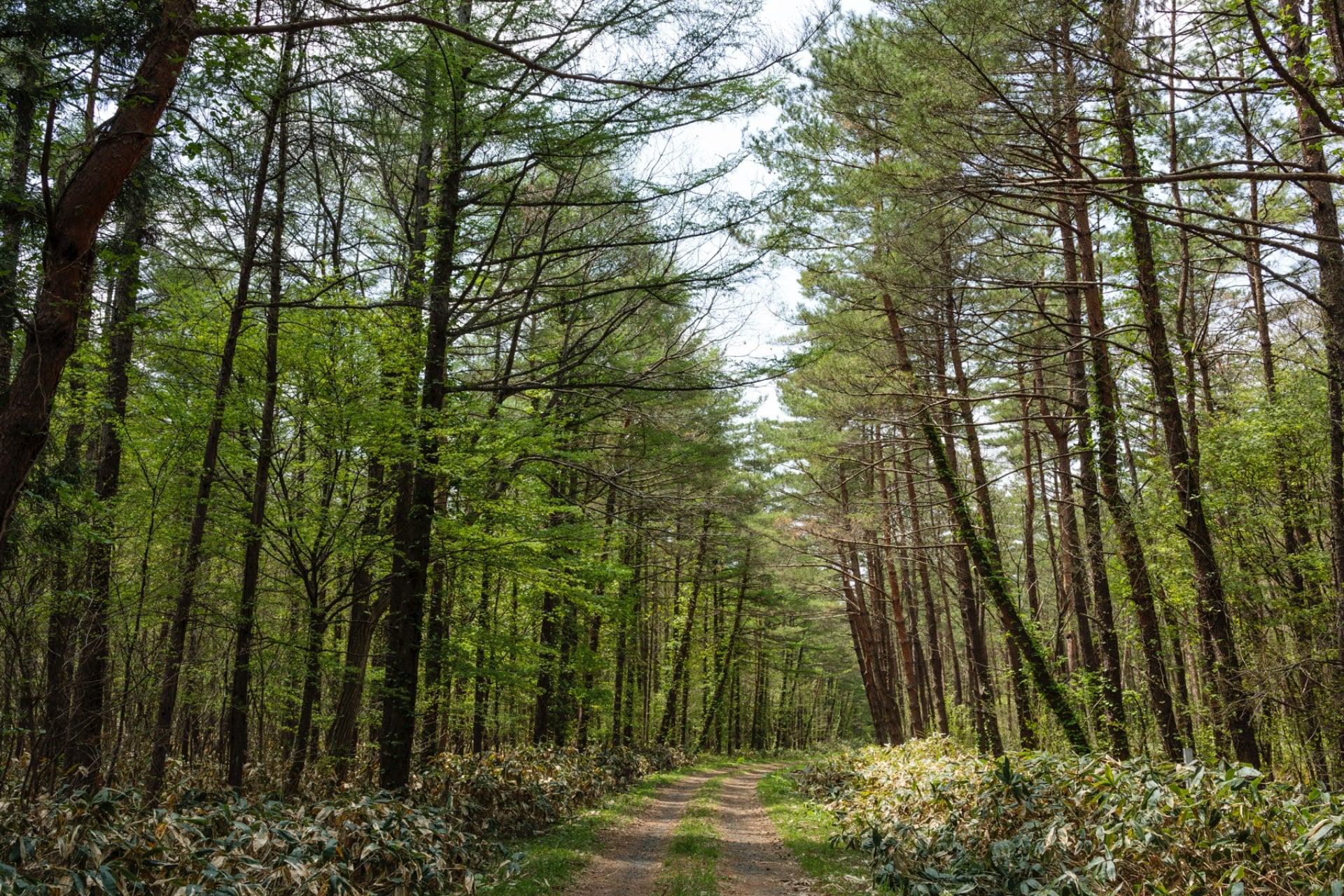
While monoculture forests of cedar and cypress have become commonplace in Japan, Koiwai is blessed with broadleaf trees, a woodland that nurtures and protect its flora and fauna, seasonality and diversity of life. Azuma Farm Koiwai sits quietly in a secluded corner on a pasture of approximately 8 hectares.
Architecture that Breathes with the Trees Grown in Koiwai
The architectural design for Azuma Farm Koiwai is thoughtfully conceived by Shiro Miura of Rokkakuya, a Kyoto-based firm renowned for traditional Japanese architecture.
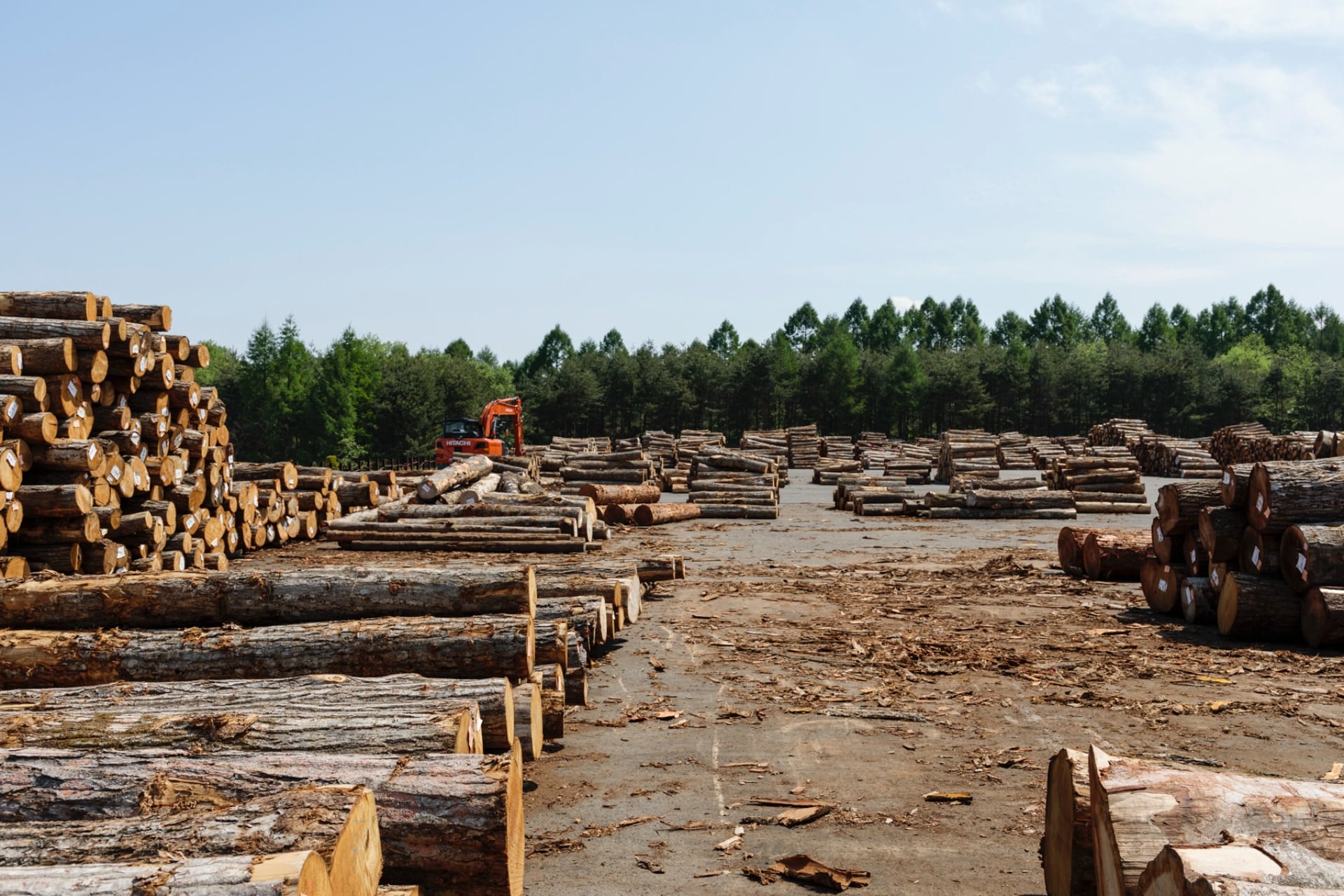
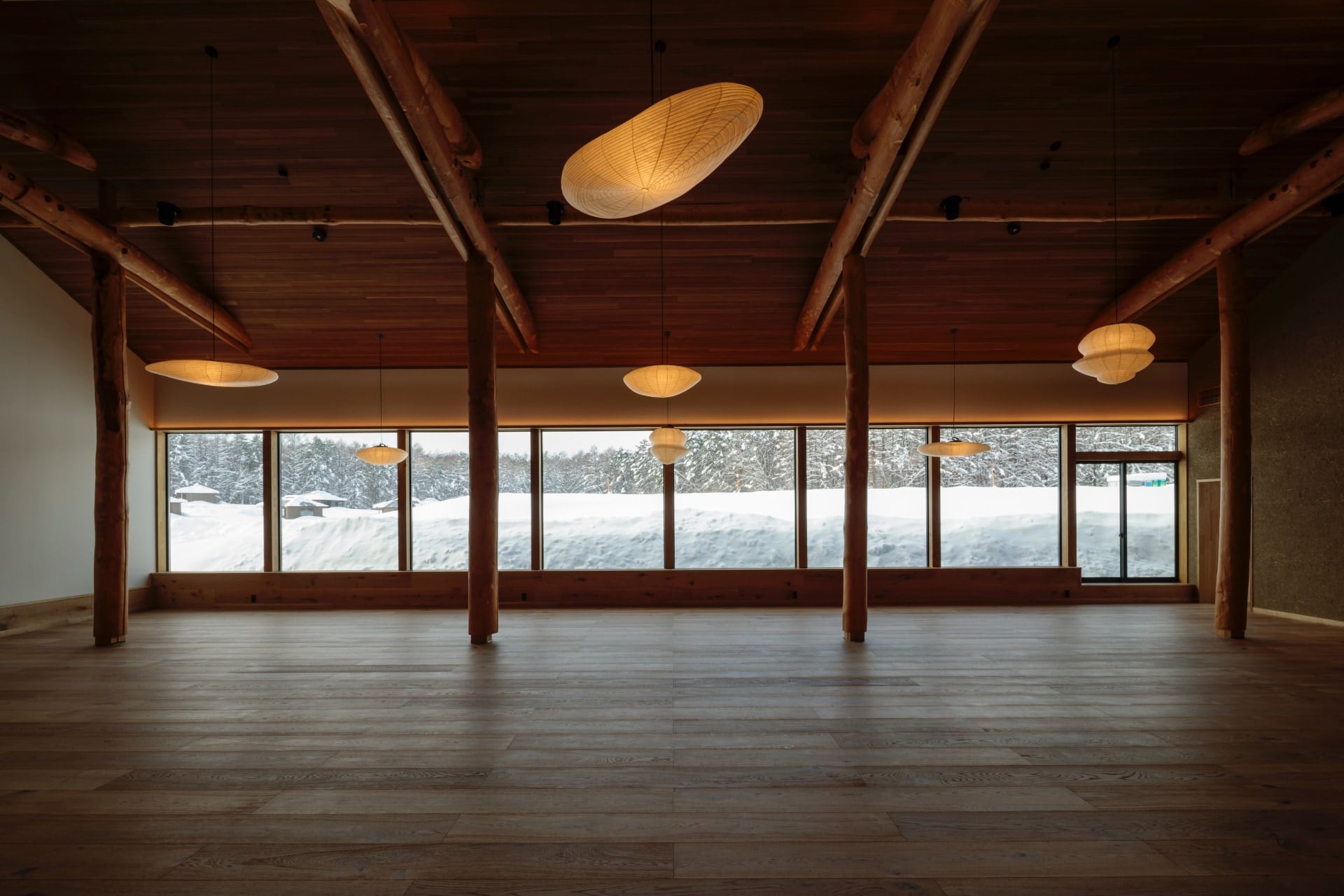
Koiwai Farm’s vast forests originate from an afforestation project cultivated over 130 years since founding. To harmonize the architecture with the raw beauty of the pristine landscape, Miura began the design process by venturing into the forest with the people of Koiwai Farm, carefully selecting and felling trees to be used. Inheriting the heritage of the landscape, every single tree used is integrated in a seamless design.
The spatial experience also epitomizes the vastness the Tohoku region, with subtle reference to the quiet mysticism evoked in the works of Kenji Miyazawa – who deeply loved this region. In line with Azuma Farm Koiwai’s nature-embracing ethos, the goal was to create architecture that breathes with living wood, where people and nature, past and present, peacefully co-exist.